
 by
by Neurocysticercosis: Understanding Symptoms, Causes, and Treatment
**Unveiling Neurocysticercosis: Understanding Symptoms, Causes, and Treatment**
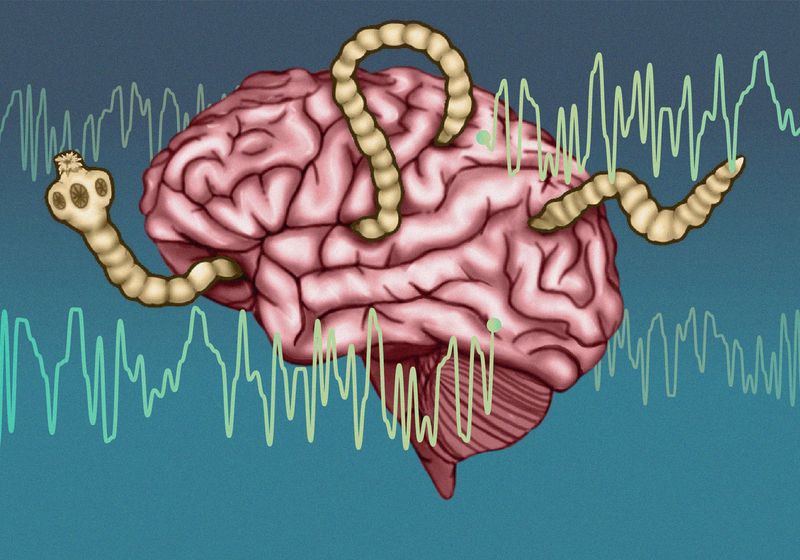
Neurocysticercosis is a parasitic infection caused by the larval stage of the pork tapeworm, Taenia solium. This condition primarily affects humans and occurs when the tapeworm larvae settle in various tissues of the body, forming cysts. While it is most commonly found in regions with poor sanitation and inadequate hygiene practices, it can occur anywhere in the world, posing a significant public health concern.
### Understanding the Symptoms
The symptoms of Neurocysticercosis can vary depending on the location and number of cysts formed within the body. In many cases, individuals may remain asymptomatic for years, making diagnosis challenging. However, when symptoms do occur, they can range from mild to severe and may include:
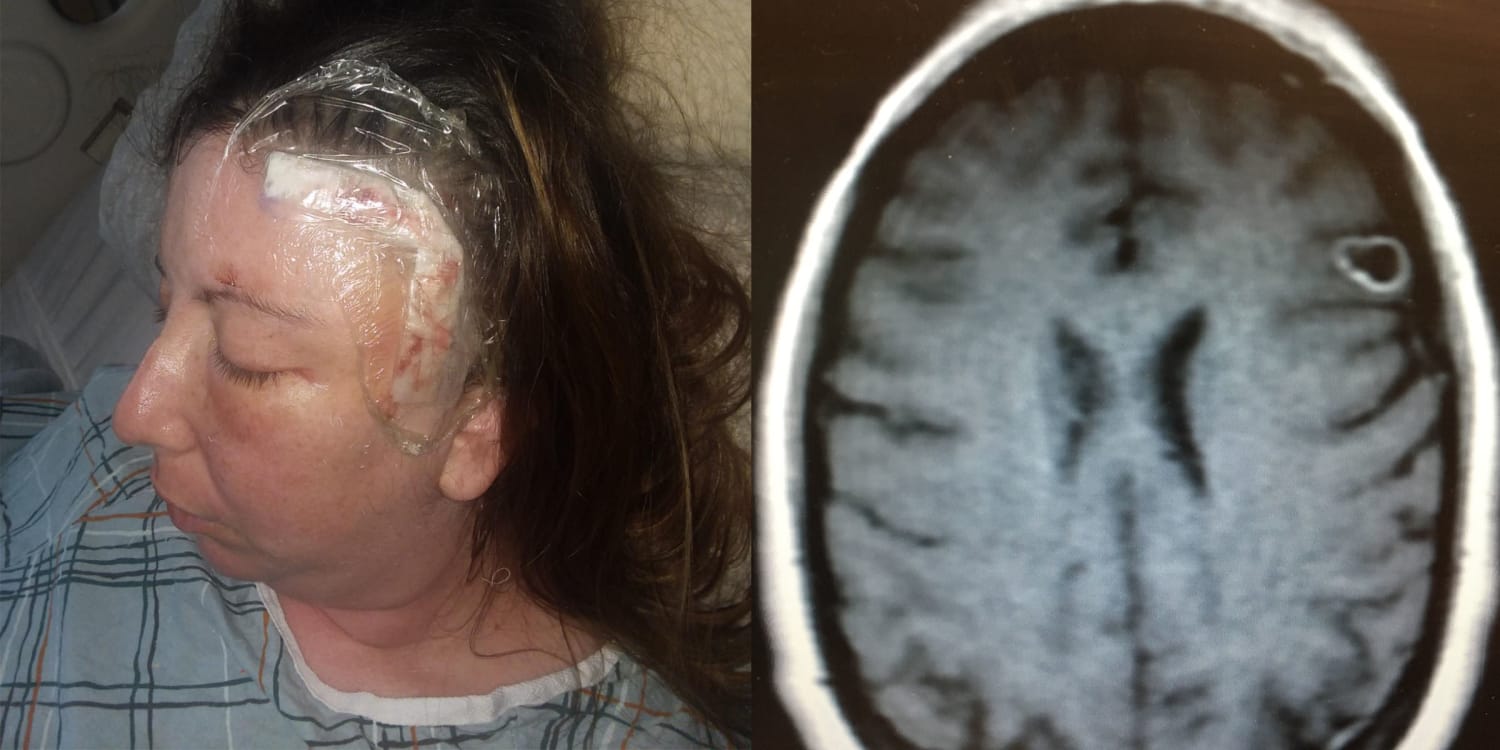
1. **Neurological Symptoms**: Cysts located in the brain or spinal cord can lead to seizures, headaches, confusion, difficulty with balance, and even stroke-like symptoms.
2. **Muscle and Skin Symptoms**: Cysts in muscles or beneath the skin can cause palpable lumps, muscle pain, and weakness.
3. **Eye Symptoms**: Cysts in the eyes can lead to visual disturbances, including blurred vision, floaters, and even blindness if left untreated.
### Exploring the Causes
Neurocysticercosis is primarily caused by the ingestion of food or water contaminated with tapeworm eggs. This can occur through the consumption of undercooked pork containing cysts or through contact with fecally contaminated food, water, or surfaces. Once ingested, the tapeworm eggs hatch and migrate through the bloodstream to various tissues, where they develop into cysts.
### Seeking Treatment
Diagnosing Neurocysticercosis often involves a combination of medical history, imaging tests such as CT scans or MRI scans, and blood tests to detect antibodies against the parasite. Treatment typically depends on the location and severity of the infection:
1. **Medication**: Anti-parasitic medications such as albendazole or praziquantel are commonly prescribed to kill the parasites. Additionally, corticosteroids may be used to reduce inflammation and alleviate symptoms, especially in cases involving neurocysticercosis.
2. **Surgery**: In some cases, surgery may be necessary to remove cysts, particularly when they cause significant neurological complications or when located in vital organs.
3. **Symptomatic Treatment**: Symptomatic treatment may be provided to manage specific symptoms such as seizures or headaches.
### Preventive Measures
Preventing Neurocysticercosis primarily involves practicing good hygiene and food safety measures:
1. **Cooking Practices**: Thoroughly cook pork to kill any potential cysts or larvae present in the meat.
2. **Hand Hygiene**: Wash hands with soap and water before handling food, after using the restroom, and after contact with animals.
3. **Sanitation**: Ensure access to clean and safe drinking water, and avoid consuming food or water from questionable sources.
4. **Health Education**: Educate communities about the importance of proper sanitation, hygiene practices, and the risks associated with consuming undercooked pork.
### Conclusion
Neurocysticercosis is a preventable parasitic infection that can have serious health consequences if left untreated. By understanding the symptoms, causes, and treatment options available, individuals can take proactive measures to protect themselves and their communities from this potentially debilitating condition. Through a combination of improved sanitation, hygiene practices, and public health initiatives, we can work towards reducing the burden of Neurocysticercosis worldwide.


Hi there, everything is going sound here and ofcourse every one is sharing data, that’s really good, keep up writing. http://www.ifashionstyles.com
This is my first time pay a visit at here and i am really pleassant to read all at single place.
constantly i used to read smaller articles or reviews that also clear their motive,and that is also happening with this piece of writing which I am reading here.
This paragraph will assist the internet users for building up new web site or even a blog from start to end.
Howdy! I know this is kinda off topic however I’d figured I’d ask. Would you be interested in trading links or maybe guest writing a blog article or vice-versa? My blog covers a lot of the same topics as yours and I think we could greatly benefit from each other. If you are interested feel free to shoot me an e-mail. I look forward to hearing from you! Terrific blog by the way!
wonderful points altogether, you just received a new reader. What would you suggest about your put up that you simply made some days ago? Any positive?
Have you ever considered about including a little bit more than just your articles? I mean, what you say is fundamental and all. However imagine if you added some great images or video clips to give your posts more, “pop”! Your content is excellent but with images and clips, http://www.ifashionstyles.com this website could undeniably be one of the best in its field.
Sweet blog! I found it while browsing on Yahoo News. Do you have any tips on how to get listed in Yahoo News? I’ve been trying for a while but I never seem to get there! Many thanks
Good day! Would you mind if I share your blog with my zynga group?There’s a lot of folks that I think would really enjoy your content. Please let me know. Cheers
You could certainly see your skills in the paintings you write. The sector hopes for more passionate writers such as you who aren’t afraid to say how they believe. At all times go after your heart.
Hi there to all, for the reason that I am truly keen of reading this website’s post to be updated daily. It carries fastidious data. http://www.kayswell.com
This is my first time visit at here and i am actually happy to read everthing at alone place.
You really make it seem so easy along with your presentation however I to find this topic to be really one thing which I feel I might by no means understand. It sort of feels too complicated and very huge for me. I’m looking ahead to your next publish, I抣l attempt to get the cling of it!